
Installing a dashcam in your vehicle has become essential for Canadian drivers. With insurance fraud on the rise and unpredictable weather conditions, having video evidence of your driving can save you thousands of dollars and provide peace of mind on every journey.
Why Canadian Drivers Need Dashcams
Canada’s diverse driving conditions – from Vancouver’s rain to Montreal’s ice storms to Alberta’s summer hail – create unique challenges that make dashcam footage invaluable. Insurance companies across Canada are increasingly recognizing dashcam evidence, with some offering discounts for drivers who use them.
Planning Your Installation
Before starting your dashcam installation, consider these factors:
Power Source Options:
- Cigarette lighter (temporary, clutters dashboard)
- OBD-II port (limited compatibility)
- Hardwired installation (professional appearance)
Camera Placement:
- Must not obstruct driver’s view (Transport Canada requirement)
- Optimal position: behind rearview mirror
- Avoid interference with airbag deployment zones
Step-by-Step Installation Process
Phase 1: Preparation
- Choose your dashcam mounting location
- Plan your cable routing path
- Identify your vehicle’s fuse box location
- Gather necessary tools and components
Phase 2: Physical Installation
- Clean the windshield mounting area with alcohol
- Attach the dashcam mount (avoid extreme temperatures)
- Position the camera for optimal view
- Test the mount’s stability
Phase 3: Power Connection
This is where most DIY installations fail. Traditional methods require:
- Wire stripping and splicing
- Electrical knowledge
- Risk of damaging vehicle wiring
- Potential warranty voidance
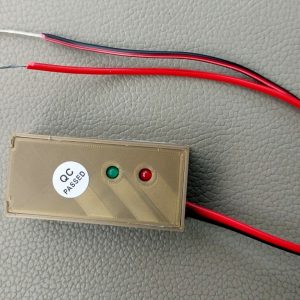
The ATModule Solution
Our universal power adapter eliminates these complications:
- Plug-and-play installation
- No wire cutting required
- Works with any vehicle (1995+)
- Maintains warranty compliance
Phase 4: Cable Management
- Route cables along existing trim pieces
- Use provided clips to secure cables
- Avoid pinch points and moving parts
- Test all connections before final assembly
Canadian-Specific Considerations
Temperature Extremes:
Canadian temperatures can range from -40°C to +40°C. Ensure your installation can handle these extremes:
- Use automotive-grade components
- Allow for thermal expansion/contraction
- Test operation in extreme conditions
Moisture Protection:
High humidity and temperature changes can cause condensation:
- Ensure proper sealing around connections
- Use appropriate cable routing to avoid moisture traps
- Consider silica gel packets for extreme conditions
Legal Requirements by Province
Ontario: Dashcams legal if not obstructing driver’s view
Quebec: Must not interfere with airbag deployment
British Columbia: Cannot be mounted on windshield center
Alberta: No specific restrictions, follow general safety rules
Saskatchewan: Must comply with vision obstruction laws
Manitoba: Similar to federal guidelines
Maritime Provinces: Generally follow federal standards
Common Installation Mistakes to Avoid
- Improper Power Source: Using inadequate power supplies
- Poor Cable Routing: Cables that interfere with vehicle operation
- Incorrect Mounting: Positions that obstruct view or violate regulations
- Inadequate Testing: Not verifying operation in all conditions
- Ignoring Warranties: Using methods that void vehicle warranties
Professional vs. DIY Installation
Professional Installation:
- Cost: $150-$300 across Canada
- Time: 2-4 hours
- Expertise: Guaranteed proper installation
- Warranty: Usually includes labor warranty
DIY with ATModule:
- Cost: $89.99 (adapter price)
- Time: 15-20 minutes
- Expertise: No electrical knowledge required
- Warranty: 2-year product warranty
Maintenance and Troubleshooting
Regular Maintenance:
- Clean camera lens monthly
- Check cable connections seasonally
- Verify SD card functionality
- Update firmware as needed
Common Issues:
- No Power: Check fuse box connections
- Intermittent Recording: Verify SD card compatibility
- Poor Video Quality: Clean lens and check settings
- Overheating: Ensure proper ventilation
Choosing the Right Dashcam for Canadian Conditions
Essential Features:
- Wide operating temperature range (-30°C to +70°C)
- Loop recording capability
- G-sensor for accident detection
- GPS logging for location data
- Wi-Fi connectivity for easy file transfer
Recommended Specifications:
- Minimum 1080p resolution
- 140° field of view
- 32GB+ storage capacity
- Capacitor-based power (not battery)
- Canadian warranty support
Cost-Benefit Analysis
Initial Investment:
- Dashcam: $150-$400
- ATModule Adapter: $89.99
- Installation: $0 (DIY) or $200+ (professional)
Potential Savings:
- Insurance claim protection: $1,000-$10,000+
- Reduced insurance premiums: $50-$200/year
- Traffic violation defense: $200-$500+
- Peace of mind: Priceless
Conclusion
Installing a dashcam in your Canadian vehicle doesn’t have to be complicated or expensive. With the right approach and proper equipment, you can achieve professional results in under 30 minutes.
The ATModule universal power adapter makes this process simple, safe, and warranty-compliant. Whether you’re driving through Toronto traffic or navigating mountain passes in British Columbia, a properly installed dashcam provides protection and peace of mind.
Ready to Install Your Dashcam?
Visit ATModule.ca for everything you need to get started. Free shipping across Canada, 2-year warranty, and Canadian customer support included.

Leave a Reply