
Canadian winters present unique challenges that separate quality dashcams from inadequate ones. When temperatures drop to -30°C and road conditions become treacherous, having a reliable dashcam can mean the difference between a successful insurance claim and a denied one.
The Canadian Winter Challenge
Canadian winters aren’t just cold – they’re brutal on electronic devices. From St. John’s ice storms to Winnipeg’s -40°C temperatures, your dashcam faces conditions that would disable most consumer electronics.
Temperature Extremes:
- Yellowknife: -40°C average January temperature
- Winnipeg: 132 days below freezing annually
- Montreal: Temperature swings of 60°C+ between seasons
- Calgary: Chinook winds causing rapid temperature changes
Why Battery-Powered Dashcams Fail in Winter
Lithium-Ion Battery Limitations:
Most dashcams use lithium-ion batteries, which have severe winter limitations:
- Capacity drops 50%+ at -20°C
- Complete failure possible at -30°C
- Permanent damage from extreme cold
- Shortened lifespan from temperature cycling
Real-World Winter Failures:
- Recording stops mid-journey
- Camera won’t start in cold weather
- Battery swelling from freeze/thaw cycles
- Complete device failure after one winter
The Hardwired Advantage
Consistent Power Supply:
Hardwired dashcams draw power directly from your vehicle’s electrical system, providing:
- Reliable operation at any temperature
- No battery degradation concerns
- Continuous recording capability
- Professional installation appearance
Capacitor-Based Storage:
Quality hardwired dashcams use capacitors instead of batteries:
- Operate reliably from -30°C to +70°C
- No capacity loss in cold weather
- Longer lifespan than battery-powered units
- Instant operation regardless of temperature
Canadian Winter Driving Scenarios Where Dashcams Save Money
Ice Storm Accidents (Ontario/Quebec):
In January 2023, ice storms caused over 1,200 accidents in Ontario alone. Dashcam footage proved invaluable for:
- Determining fault in multi-vehicle accidents
- Documenting hazardous road conditions
- Proving adherence to safe driving practices
- Expediting insurance claims
Whiteout Conditions (Prairie Provinces):
Saskatchewan and Manitoba experience frequent whiteout conditions:
- Visibility drops to zero in seconds
- Multiple vehicle pile-ups common
- Dashcam footage shows actual conditions
- Protects against fault assignment errors
Black Ice Incidents (Nationwide):
Black ice causes thousands of Canadian accidents annually:
- Appears on bridges and overpasses first
- Difficult to prove road conditions after accident
- Dashcam footage documents surface conditions
- Critical for insurance claim success
Winter-Specific Dashcam Features
Essential Winter Capabilities:
- Wide Temperature Range: -30°C to +70°C operation
- Anti-Fog Technology: Prevents lens condensation
- Enhanced Night Vision: Critical for early darkness
- G-Sensor Sensitivity: Detects impacts on slippery surfaces
- Loop Recording: Ensures continuous coverage
Advanced Winter Features:
- Pre-Impact Recording: Captures events leading to accidents
- GPS Speed Tracking: Documents safe driving speeds
- Time/Date Stamping: Provides accurate incident timing
- Wi-Fi Connectivity: Easy file access in cold weather
Installation Considerations for Canadian Winters
Cable Management:
Winter temperature cycling causes materials to expand and contract:
- Use automotive-grade cables rated for temperature extremes
- Secure cables to prevent movement during temperature changes
- Avoid routing near heat sources that cycle on/off
- Allow for thermal expansion in cable runs
Moisture Protection:
Canadian winters involve significant moisture challenges:
- Road salt creates corrosive environment
- Humidity changes from heating/cooling cycles
- Snow melting and refreezing
- Condensation from temperature differentials
The ATModule Winter Solution
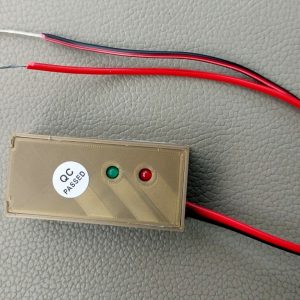
Our universal power adapter is specifically designed for Canadian conditions:
Temperature Performance:
- Tested from -40°C to +85°C
- Automotive-grade components throughout
- No performance degradation in extreme cold
- Reliable operation in temperature cycling
Moisture Resistance:
- Sealed connector design
- Corrosion-resistant materials
- Protected against road salt exposure
- Condensation-resistant installation
Real Canadian Winter Success Stories
Case Study 1: Highway 401 Ice Storm
“During the February 2024 ice storm, my dashcam captured the exact moment another vehicle lost control and hit me. The footage clearly showed the icy conditions and proved I was driving safely for the conditions. My insurance claim was approved within 48 hours instead of the usual weeks of investigation.” – Michael T., Kingston, ON
Case Study 2: Winnipeg Whiteout
“In a complete whiteout on Highway 1, visibility dropped to zero. A truck rear-ended me while I was stopped. The dashcam footage showed I had my hazards on and was properly positioned. Without it, I would have been blamed for the accident.” – Sarah L., Winnipeg, MB
Case Study 3: Calgary Chinook Conditions
“Chinook winds created icy patches on my commute route. My dashcam recorded another driver sliding through a red light and hitting my vehicle. The timestamp and GPS data proved the exact conditions and timing of the accident.” – David R., Calgary, AB
Winter Driving Tips for Dashcam Users
Pre-Winter Preparation:
- Test dashcam operation in cold temperatures
- Verify SD card functionality (use high-endurance cards)
- Check all cable connections for security
- Update firmware before winter season
- Clean camera lens and housing
Monthly Winter Maintenance:
- Clean lens of road salt and grime
- Check cable connections for corrosion
- Verify recording functionality
- Review and backup important footage
- Check SD card for errors
Cost Analysis: Hardwired vs. Battery-Powered
Initial Investment:
- Battery-powered dashcam: $100-$250
- Hardwired dashcam: $200-$400
- ATModule adapter: $89.99
- Professional installation: $150-$300
Winter Replacement Costs:
- Battery-powered units often fail after 1-2 winters
- Hardwired units typically last 5+ years
- Battery replacement costs: $50-$100 annually
- Hardwired maintenance: Minimal
Insurance Implications:
- Successful claims: $1,000-$10,000+ savings
- Reduced premiums: $100-$300 annually
- Avoided fault assignments: $500-$2,000+
- Legal protection: $1,000-$5,000+
Choosing the Right Winter Dashcam
Essential Specifications:
- Operating temperature: -30°C to +70°C minimum
- Capacitor power storage (not battery)
- High-endurance SD card compatibility
- Wide dynamic range for winter lighting
- Reliable hardwired power connection
Recommended Features:
- Dual-channel recording (front and rear)
- Built-in GPS for location/speed data
- Wi-Fi connectivity for easy file access
- Mobile app for remote monitoring
- Cloud storage backup options
Provincial Winter Driving Requirements
Winter Tire Regulations:
- British Columbia: Mandatory on designated highways (Oct 1 – Apr 30)
- Quebec: Mandatory province-wide (Dec 1 – Mar 15)
- Other Provinces: Recommended but not mandatory
Dashcam Compliance:
- Must not obstruct driver’s view
- Cannot interfere with safety systems
- Should document compliance with winter driving laws
- Helpful for proving adherence to tire regulations
Conclusion
Canadian winters demand reliable equipment, and your dashcam is no exception. Battery-powered units simply cannot handle our extreme conditions consistently. A hardwired dashcam with proper installation provides the reliability you need when winter driving conditions are at their worst.
The investment in a quality hardwired dashcam system pays for itself the first time it saves you from an insurance claim denial or fault assignment. Don’t let winter weather leave you without protection.
Protect Yourself This Winter
ATModule’s universal power adapter ensures your dashcam operates reliably in any Canadian winter condition. Order today and drive with confidence all season long.

Leave a Reply